

The Quiet Details That Make Style Look Expensive
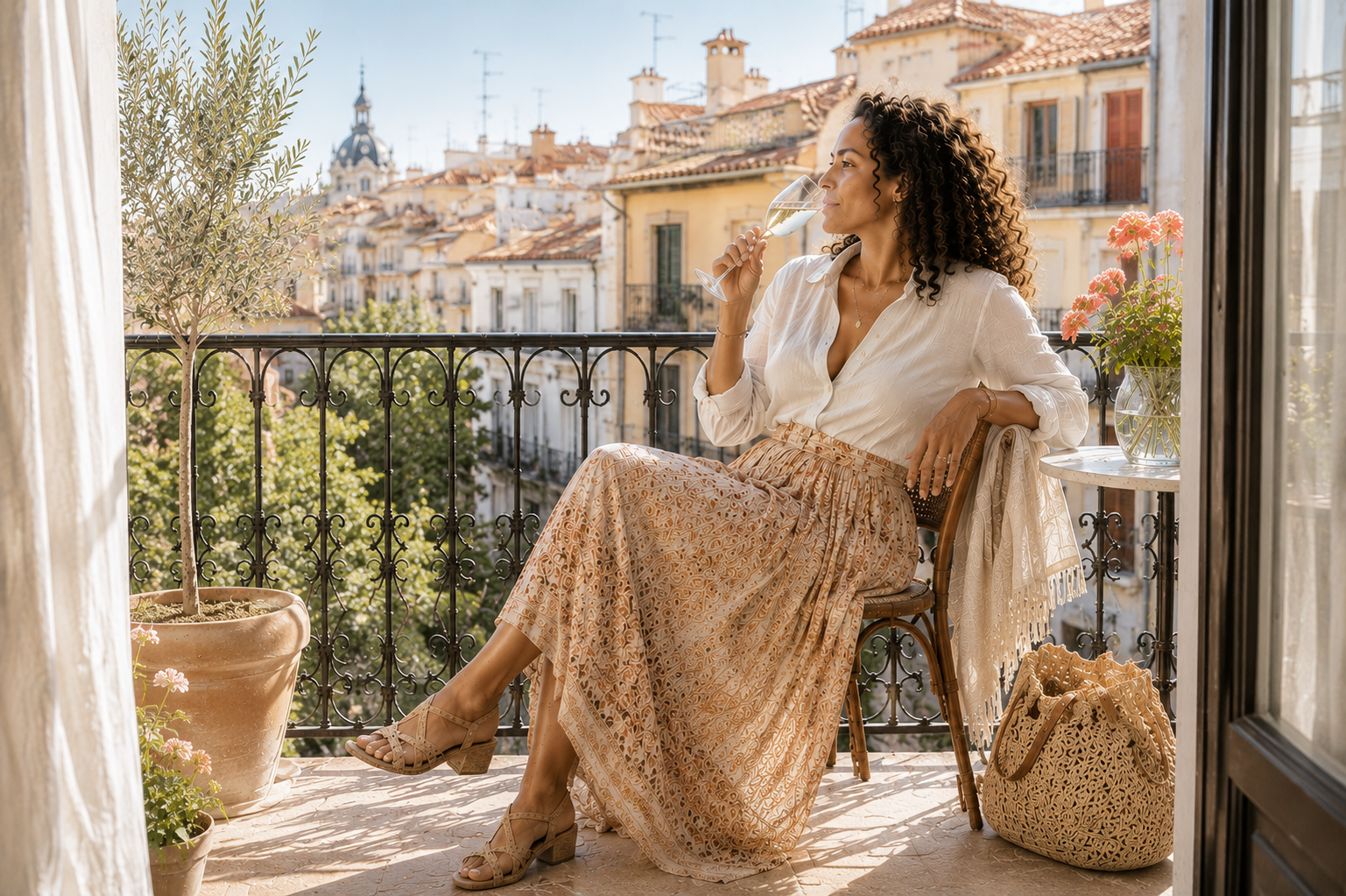
What stays with me afterward is almost never the loudest outfit.
Usually, it is something quieter than that.
A woman crossing a street in Rome with a wool coat half-buttoned because she is walking too quickly to stop. Beautiful shoes softened from years of wear. A silk scarf tied imperfectly at the neck. Someone carrying the same leather bag she has probably carried for years.
None of it feels overly considered in the moment. And yet those are the women I remember long afterward.
Lately, I find myself paying much more attention to that kind of style than anything trend-driven or overly polished. Not because it looks expensive necessarily, but because it feels connected to the person wearing it.
There is a kind of elegance that reveals itself slowly. Not through logos or trend cycles, but through the accumulation of thoughtful choices over time. The women whose style stays with me afterward are rarely dressed dramatically. It is the texture of a coat in the early morning rain. The shape of a trouser that fits perfectly. Jewelry worn so often it almost becomes part of them.
Especially now, when fashion often feels oversaturated with microtrends, overconsumption, and algorithm-driven sameness, I find myself drawn more and more toward women who look comfortable in themselves.
Not underdressed.
Not overdone.
Just deeply at ease in what they are wearing.
Travel has made me notice this even more.
Some of the most beautiful style moments I have seen happened almost accidentally — women crossing quiet streets in Rome early in the morning with a sweater draped over their shoulders, someone stepping onto a train in dark denim and beautiful ballet flats, a silk scarf moving slightly in the wind outside a café in Paris. Nothing about the outfit felt loud, but somehow the overall impression lingered long afterward.
It feels less like fashion and more like someone quietly knowing themselves.
Tailoring Changes More Than Trends Ever Will
At some point, I stopped searching for the perfect wardrobe and started paying attention to fit instead.
That shift changed almost everything.
A beautifully hemmed trouser will nearly always look more expensive than an overpriced pair with awkward proportions. The same goes for coat sleeves, blazer shoulders, denim length, or dresses that skim the body properly instead of fighting against it.
One of the simplest ways I keep clothing looking polished between tailor visits is with a quality garment steamer and fabric shaver.
Dressing well eventually becomes less about forcing trends to work and more about understanding what actually feels beautiful on your body.
Bodies change quietly over time. So does tolerance for certain fabrics, waistlines, shoes, synthetic materials, things that once felt effortless and suddenly do not. I think many women experience this privately, especially during midlife, but fashion writing rarely leaves much room for those conversations.
Some of the women I know with the strongest personal style are not dressing to appear younger. They are dressing with more discernment. Better fabrics. Better tailoring. Softer structure. Less noise.
There is something deeply reassuring about that.
I have also noticed that truly elegant women rarely seem uncomfortable in their clothing. They are not constantly tugging at waistbands, adjusting straps, or wearing shoes they can barely walk in. There is ease in the way they move through the world, and I think people notice that more than they realize.
Texture Is Often What Makes an Outfit Memorable
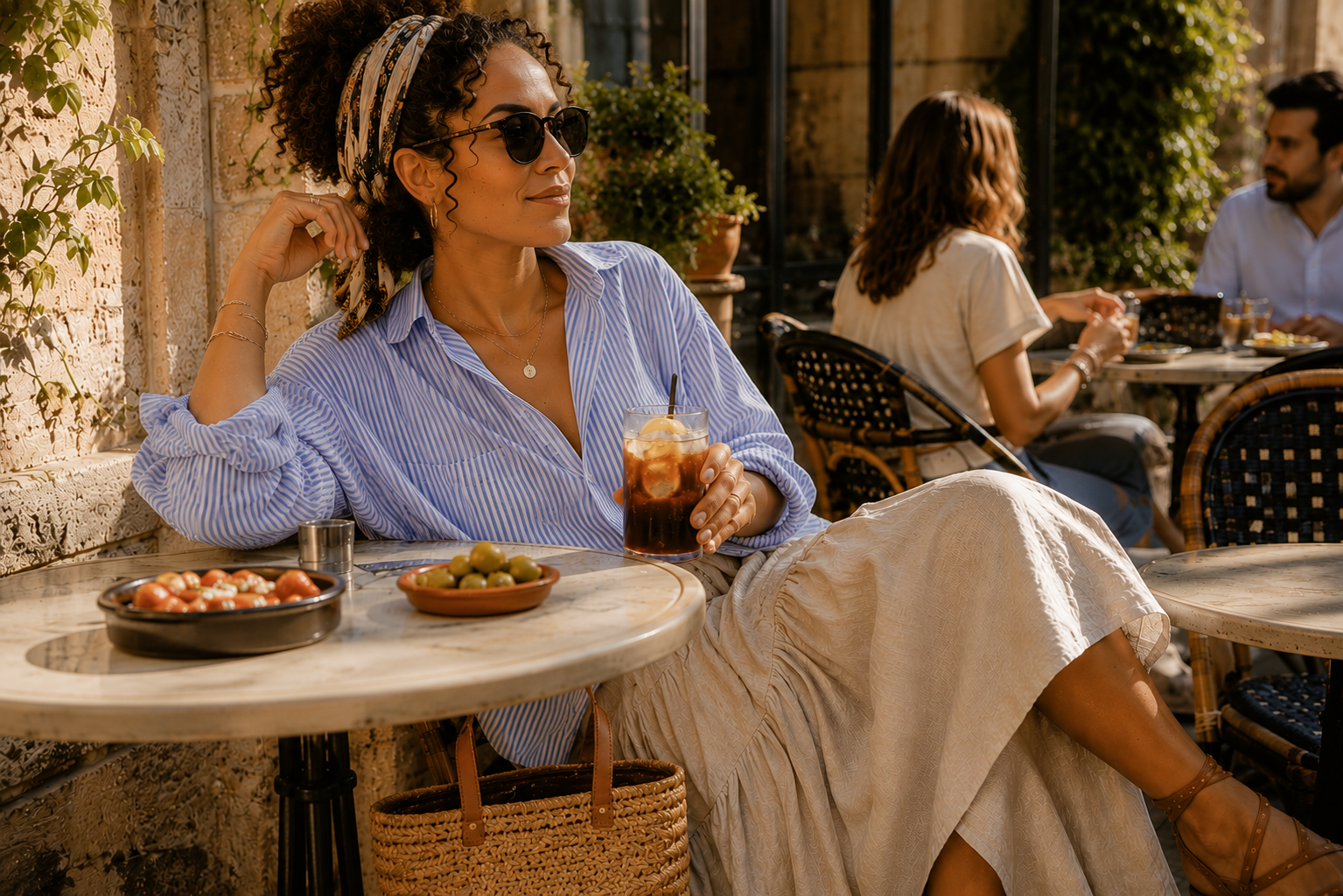
I notice texture before I notice almost anything else now.
Soft cashmere against structured wool. Washed linen beside polished leather. Matte suede next to luminous silk. Those combinations create depth even when the outfit itself is relatively simple.
This is part of why European style often feels emotionally rich without looking overly styled. The outfits themselves are not usually complicated. But the textures create movement, softness, tension, and contrast.
And natural fibers simply behave differently.
Wool absorbs light softly.
Linen wrinkles in a way that feels relaxed instead of messy.
Silk catches movement beautifully while walking.
Leather becomes more beautiful once it stops looking brand new.
There are certain fabrics that only become beautiful once they have been lived in a while. Linen after a long day in warm weather. Leather softened at the straps. Cashmere that loses a bit of its stiffness after years of travel.
Those details carry memory with them.
You notice these things especially while traveling.
A coat warming slightly indoors after walking through cold air. A scarf carrying the faint scent of perfume from the day before. Linen trousers creased from sitting at a café too long. Shoes softening after miles of walking through uneven streets.
Those are usually the details I remember later.
The Most Stylish Women Rarely Look Overworked
This may be the biggest thing I have learned about personal style over time.
The women I always remember afterward rarely look overly curated.
There is usually some balance between polish and ease:
a masculine loafer with soft jewelry,
a structured blazer over relaxed denim,
a feminine dress paired with practical sandals,
a tailored coat worn slightly open and undone.
That contrast is what makes style feel human.
When everything is perfectly coordinated, perfectly pressed, perfectly matching, something starts to feel emotionally flat. AI-generated fashion imagery often falls into this trap too — every object styled within an inch of its life.
Real elegance usually has some softness around the edges.
A slightly wrinkled sleeve.
Hair moving in humidity.
A scarf tossed into a bag at the end of the day.
Lipstick fading after espresso.
Beautiful clothes being lived in instead of preserved.
I think this is also why certain women become more stylish with time instead of less. They stop trying to look perfect. Their clothing starts feeling integrated into their lives instead of carefully constructed for attention.
Accessories Should Feel Familiar
I have become much less interested in constantly buying new accessories.
The women whose style feels timeless to me usually repeat the same beloved things over and over again:
a watch worn daily,
gold hoops that become part of their face,
a leather bag that grows softer every year,
a scarf tied differently every season.
There is something reassuring about repetition when it comes to personal style.
It creates identity.
I have a small gold ring I wear almost every day without thinking about it anymore. At some point it stopped feeling like an accessory and started feeling more like part of my hands. The most stylish women often seem to have pieces like that — things repeated so often they become part of their visual language.
I think this is part of why European women often appear so elegant to Americans. They do not always seem to be reinventing themselves every season. Many simply refine what already works beautifully:
trusted silhouettes,
beautiful fabrics,
good shoes,
tailoring,
restraint.
Not boring.
Not minimal for the sake of minimalism.
Just intentional.
Presence Is Part of Style Too
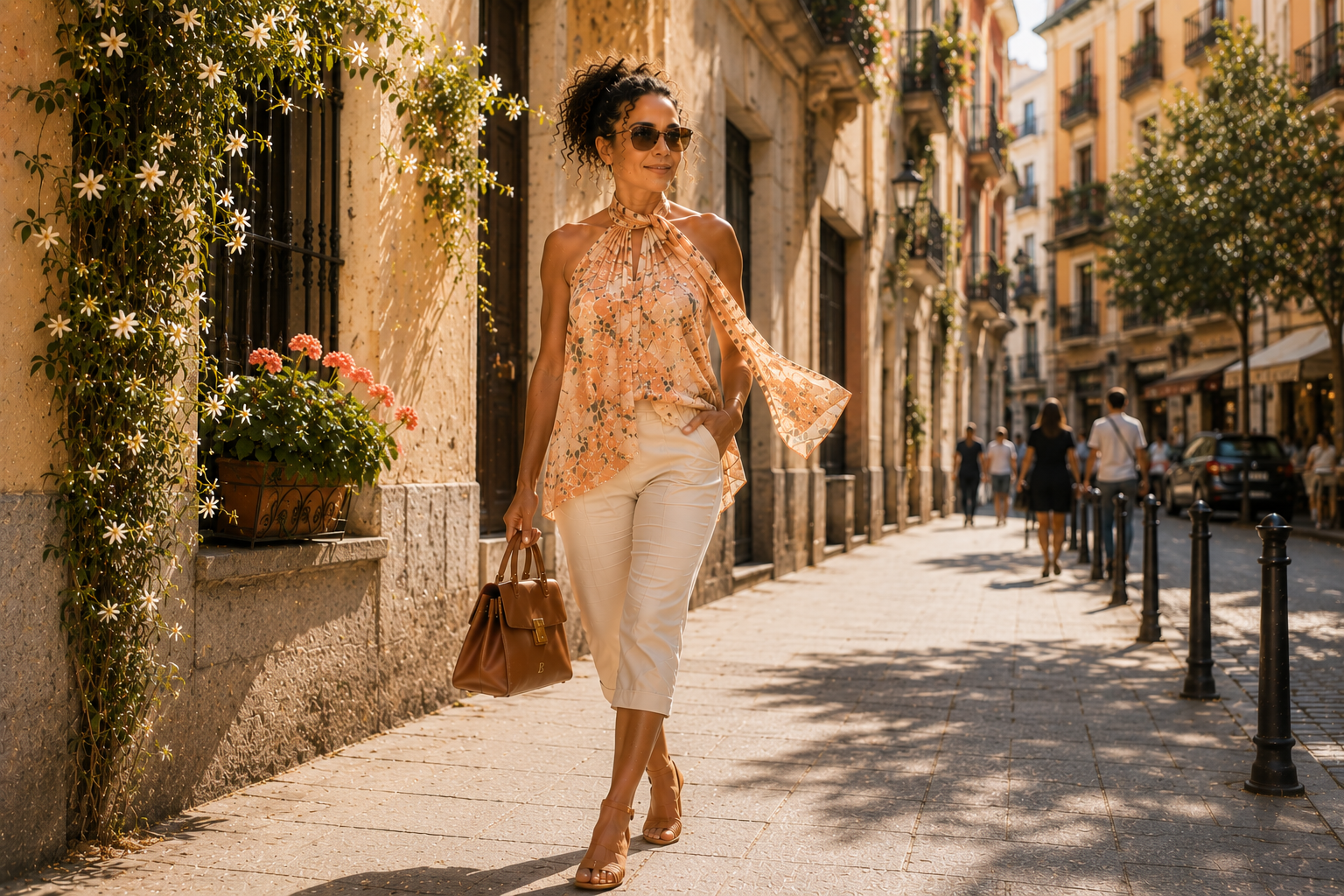
Some women simply know how to inhabit themselves calmly.
They move differently.
They are not constantly adjusting everything.
They do not seem trapped in performance or self-consciousness.
Their clothing supports them rather than overwhelms them.
That kind of confidence cannot really be purchased, which may be why it feels so compelling.
Somewhere along the way, I stopped being interested in looking impressive and became much more interested in feeling recognizable to myself.
Maybe that is why truly elegant style feels emotional instead of performative.
Not because the clothing is perfect.
Not because everything matches.
Not because the wardrobe is expensive.
But because there is a real person still visible underneath it.
Disclosure: This article may contain affiliate links. If you make a purchase through these links, I may earn a commission at no additional cost to you.
